
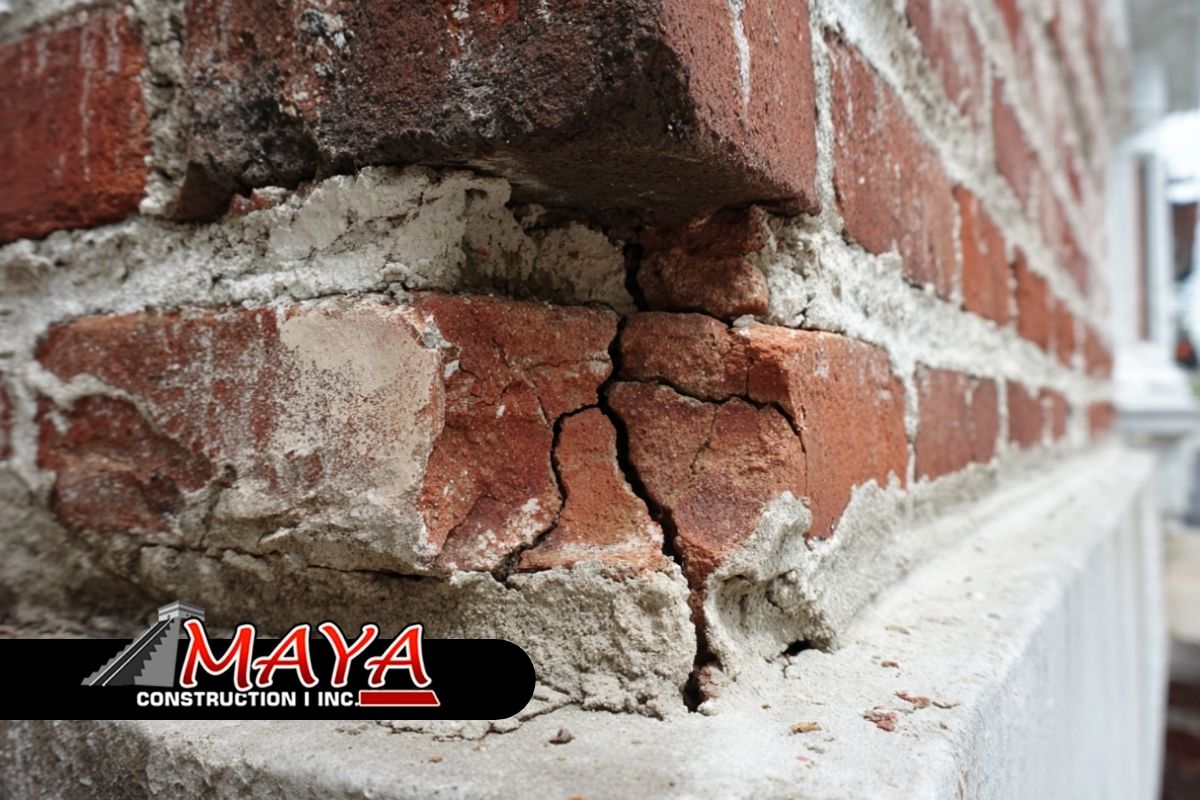
Freeze Thaw Damage Masonry Repair in Hudson Valley, NY matters when winter swings from wet to freezing fast. Cold winds may feel cozy from indoors. However, they can hide serious risks outside. Bricks can crack. Mortar joints can weaken. If you act early, you can protect your home’s look and strength for years.
Moisture can slip in without warning. Then it expands when it freezes. Next, it shrinks as it thaws. As a result, you may see brick spalling and efflorescence during winter. Freeze Thaw Damage Masonry Repair in Hudson Valley, NY helps stop that cycle. Therefore, the right steps now can prevent bigger repairs later.
Understanding Freeze-Thaw Damage
A freeze-thaw cycle starts when water enters tiny pores in brick and mortar. This often follows rain, snowmelt, or warm spells. When temperatures drop, trapped water freezes and expands. Over time, pressure widens small cracks. Consequently, pieces can break away and walls can lose strength.
In the Hudson Valley, temperatures often cross freezing in the same week. Therefore, repeated cycles speed up wear. Freeze Thaw Damage Masonry Repair in Hudson Valley, NY focuses on stopping water entry and restoring weak areas. Meanwhile, early repairs can reduce drafts and keep walls stable.
Common Signs on Brick and Mortar
Small cracks are often the first clue. Next, mortar may crumble where joints have aged. You might also notice bulging brick lines or loose units. In addition, white stains can appear after wet weather. These marks are called Efflorescence winter deposits, and they often signal ongoing Moisture intrusion.
- Hairline cracks that grow after storms
- Loose or sandy mortar that needs Repointing mortar joints
- Flaking faces that suggest Brick spalling repair
- Powdery white streaks that return each winter
If your home includes older stonework, inspect it closely too. For example, lessons from reviving historic stone walls in Junction, NY can help you spot early movement and failing joints.
Why Fast Repairs Save Your Walls
Freeze Thaw Damage Masonry Repair in Hudson Valley, NY works best when you respond to the first signs. Otherwise, water keeps working deeper into the wall. As a result, sections may bow, lean, or lose load support. Moreover, damaged joints can let in more water, which speeds up future cracking.
Early fixes are often smaller and cleaner. For example, targeted Repointing mortar joints may restore strength before bricks fail. In contrast, waiting can lead to bigger brick replacement zones. Therefore, timely action protects curb appeal and helps reduce heat loss through gaps.
Repair Options That Last
Good repairs match the wall’s original materials. That way, the wall can breathe and release moisture. Avoid rigid patches that trap water. Instead, use compatible mortar and breathable protection. If you want a deeper overview, review the best masonry restoration techniques to understand what fits your wall type.
- Clean and assess damaged areas before you patch.
- Replace severely cracked bricks when strength is lost.
- Restore joints with Repointing mortar joints to seal gaps.
- Plan Brick spalling repair where faces have flaked away.
- Finish joints with a profile that sheds water.
If you are considering an exterior refresh, choose methods that manage water well. For example, before changing finishes, read can you stucco over brick so you avoid trapping moisture behind new layers.
Prevention Before Winter Hits
Prevention is mostly about water control. Therefore, focus on drainage and wall details. Keep runoff away from masonry. Then reduce places where water can sit and soak in. If you also plan an upgrade, stone veneer installation guidance can help you think through water management around trim and transitions.
- Clean gutters and extend downspouts away from the wall.
- Add flashing where water meets windows and doors.
- Seal gaps around penetrations to reduce Moisture intrusion.
- Schedule periodic joint touch-ups before deep freezes.
Freeze Thaw Damage Masonry Repair in Hudson Valley, NY also lasts longer when the wall can dry. So, use breathable products and keep landscaping from holding moisture against brick. Finally, inspect after big thaws, because small cracks can open fast.
Frequently Asked Questions
How do I know if I need Repointing mortar joints?
If mortar turns sandy, falls out, or shows deep gaps, it likely needs repointing. Also, if joints look recessed and wet often, they may be failing. Therefore, a quick joint test with light scraping can reveal weak areas.
What causes Brick spalling repair to become urgent in winter?
Spalling often starts when water soaks into brick faces. Then freeze expansion breaks the surface. As a result, flakes fall off and expose softer material. Therefore, early repair helps stop deeper brick loss.
Is Efflorescence winter always a serious problem?
Not always, because it is a salt deposit left after moisture evaporates. However, repeated white staining usually means the wall is getting wet often. So, treat it as a clue to track Moisture intrusion.
Can I seal my wall to prevent freeze-thaw damage?
Yes, but choose breathable protection. Otherwise, trapped moisture can worsen cracking. Therefore, sealers should repel surface water while still letting vapor escape. Also, fix joints first, because sealers cannot replace missing mortar.
When should I call a professional for an inspection?
Call when cracks grow, bricks loosen, or bulges appear. Also, call if staining returns after each storm. Professionals can confirm the cause and scope. Then they can plan repairs that match your wall’s materials and age.
Talk With a Local Masonry Team
Freeze Thaw Damage Masonry Repair in Hudson Valley, NY is easier when you pair repairs with a smart maintenance plan. If you want help choosing the right approach, explore masonry services in Dutchess County to see options that fit local weather. When you are ready to address cracks, joints, or spalling, reach out through the contact page for guidance tied to your home’s needs.