
Brick walls often look strong, but small changes can reveal damage. Learning the main brick mortar erosion signs helps you act before water, weather, and time create larger problems. Early care can protect your walls, improve curb appeal, and reduce the risk of costly repairs.
At Maya Construction 1 Inc, we guide homeowners through warning signs and practical steps. This article explains what to look for, why each sign matters, and when professional care is needed.
Hairline Cracks Often Reveal Early Mortar Joint Damage
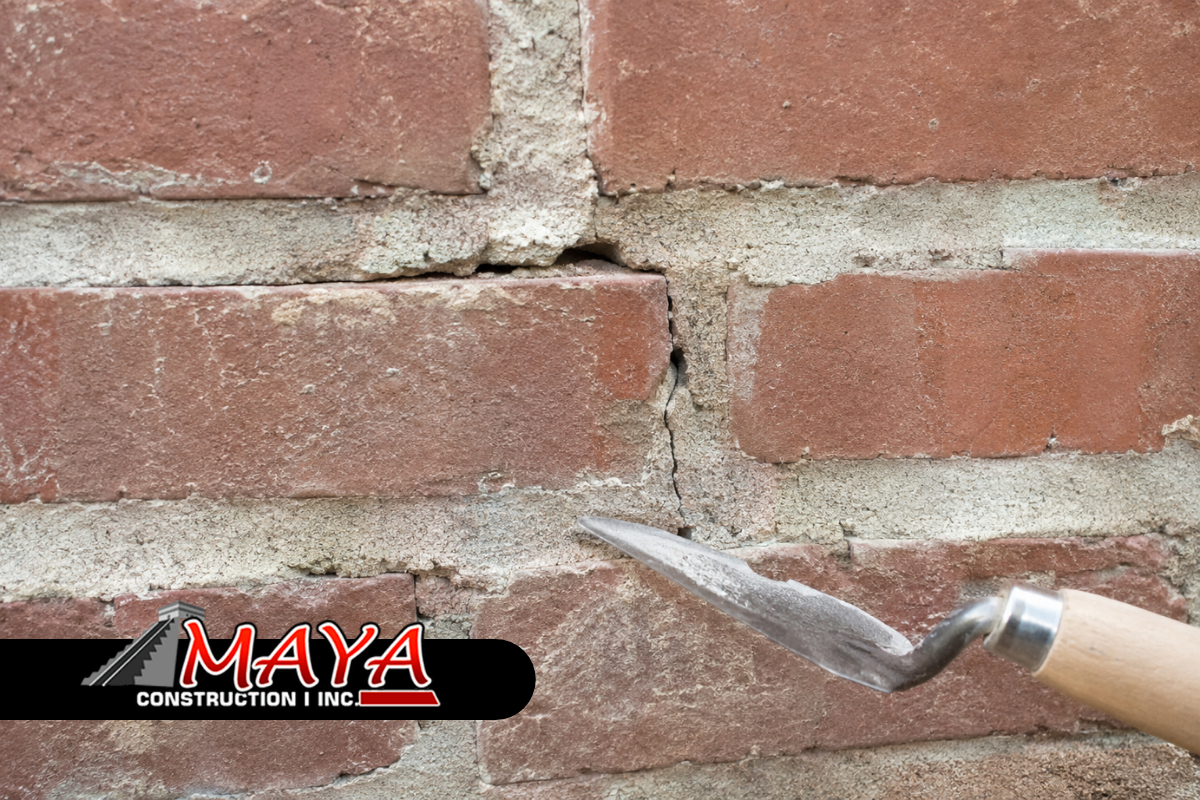
Thin cracks along the joints are often the first visible warning. They may seem small, but water can enter these openings and weaken the surrounding area. Over time, freezing weather and repeated rain can turn light cracks into failing mortar joints.
Check walls after winter, storms, or long wet periods. When cracks become wider or spread across several rows, review our masonry repair tips for brick walls to understand the next steps.
Loose Mortar Shows Advanced Wear Between Brick Courses
Mortar that flakes, falls, or turns to powder needs prompt attention. These crumbling mortar signs show that the joint has lost strength. As a result, bricks may shift and water may move deeper into the wall.
- Mortar breaks apart with light pressure.
- Dust collects below the damaged wall area.
- Small holes appear along several joints.
Our team at Maya Construction 1 Inc checks the full wall, not only the loose spot. This helps us find moisture paths, weak joints, and nearby areas that may also need repair.
Missing Mortar Creates Gaps That Invite Water Inside
Visible spaces are one of the clearest brick mortar erosion signs. Missing mortar between bricks allows rain, insects, and cold air to enter. These gaps can also reduce support around each brick and make the wall less stable.
Repointing removes weak material and fills the joint with new mortar. Our guide to repointing and tuckpointing methods explains how these two repair options differ.
Uneven Bricks And Bulging Walls Signal Joint Failure
Bricks should stay in straight, even lines. When one brick moves, tilts, or pushes outward, the mortar may no longer hold it well. Bulging sections can point to serious movement, trapped moisture, or deeper wall pressure.
- Look for stepped cracks across several joints.
- Watch for bricks that sit forward from others.
- Notice gaps that grow after heavy rain.
Do not patch these conditions without checking the cause. A full inspection can show when brick joints need repair and whether nearby bricks must be reset.
Moisture Stains And Efflorescence Expose Hidden Wall Problems
White powder on bricks is called efflorescence. It forms when water moves through the wall and leaves mineral salts on the surface. Dark spots, damp patches, or peeling paint can also show mortar washout behind the visible face.
Cleaning the surface may improve its look, but the moisture source still needs attention. Explore our masonry restoration techniques for methods that address both appearance and wall strength.
Pests And Hollow Bricks Point To Deeper Erosion
Ants, spiders, and other pests can use small mortar gaps as entry points. Hollow sounds may also reveal empty spaces behind bricks. Together, these brick mortar erosion signs suggest that the damage may extend beyond the surface.
- Check for nests or tunnels near joints.
- Listen for hollow sounds when bricks are tapped lightly.
- Watch for soft bricks beside damaged mortar.
With Maya Construction 1 Inc, you receive clear guidance before work begins. Our Dutchess County masonry services cover careful inspection, joint repair, and restoration planning.
Frequently Asked Questions
What causes mortar to wear away?
Rain, ice, age, poor drainage, and strong temperature changes can weaken mortar. Repeated moisture is one of the most common causes because it enters small cracks and slowly breaks the joint apart.
Can small mortar cracks become serious?
Yes. Small cracks can grow as water enters and freezes. Early repairs are usually simpler and help stop wider damage to nearby joints and bricks.
How often should brick walls be checked?
Inspect brickwork at least once each year and after severe storms. Pay close attention to damp areas, chimneys, lower walls, and places near gutters.
Is mortar washout easy to identify?
It often appears as shallow, worn, or recessed joints. You may also see loose grains, open gaps, or water stains near the affected area.
When should a mason inspect the wall?
Call a professional when joints crumble, bricks move, gaps spread, or moisture keeps returning. A mason can confirm the cause and recommend a safe repair plan.
Timely Masonry Repairs Protect Strength And Home Value
Regular checks make it easier to catch brick mortar erosion signs before they spread. Quick action can prevent water entry, reduce brick movement, and protect the wall from larger structural problems. Good maintenance also keeps the home looking clean and cared for.
When you notice repeated cracks, loose joints, or missing material, contact our team. At Maya Construction 1 Inc, we explain the safest next step and match the repair to your wall. Use our masonry inspection contact page to request help with brick mortar erosion signs.